- Home
- About Us
-
SIW Product / Service
- SIW Product / Service
- Product
- Service
- Certification / Standard
- Sustainability
- News
- Work With Us
- Contact Us
-
Font Size
- S
- M
- L
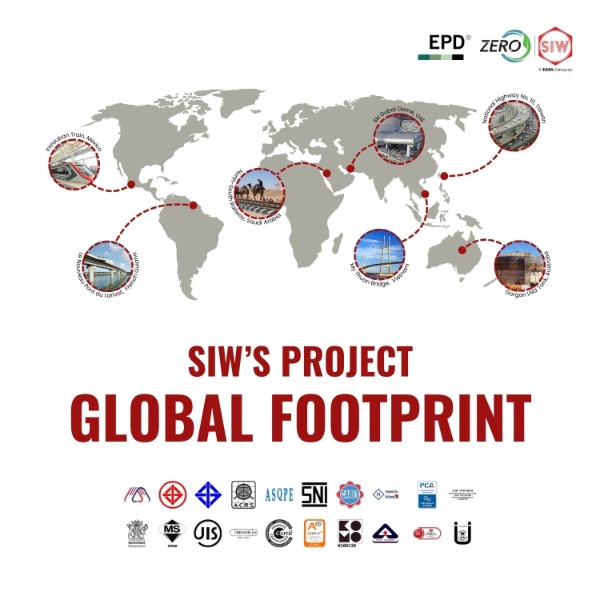

More than a manufacturer — we are the standard the world trusts.
SIW is a leading producer of PC Strand and PC Wire, trusted by global-scale projects.
We go beyond products — focusing on quality, safety, and service excellence.
That’s why SIW holds the No.1 market share in Thailand’s prestressed steel wire industry.
05-07-2023
How deep should the pile be drilled to ensure safety?Piles are an essential component used to support and transfer the weight and load of a building to the ground. The load transfer of a pile occurs through the frictional resistance between the pile surface and the surrounding soil or through direct load transfer to the underlying soil or bedrock. The main purpose of using piles is to prevent the building or structure from settling or sinking into the ground. For small-scale buildings, the piles used are generally shorter in length and fewer in number. However, larger buildings may require a greater number of piles or longer piles to transfer the load to deeper layers of soil and bear a higher load capacity. If the pile extends to the level of hard soil, it can directly transfer the load from the building to the hard soil layer. How do piles bear the load?Piles bear the load through two main types of forces: "skin friction" and "end bearing." 1. Skin Friction: This force is generated by the frictional resistance between the pile surface and the surrounding soil. The magnitude of this force depends on the type of soil (each soil type has different skin friction properties) and the characteristics of the pile surface. 2. End Bearing: This force occurs at the pile tip, where the pile rests on a firm soil layer. The magnitude of this force depends on the type of soil, such as the presence of voids between soil particles. Soils with more voids have a lower load-bearing capacity, while compacted sands have a higher load-bearing capacity. In general pile design, for skin friction piles, the focus is on the size and length of the pile to generate sufficient lateral friction to support the applied load. For end bearing piles, the design aims to have the pile sit on a compacted sand layer. Types of piles used in construction can be broadly categorized into three main types based on their manufacturing and usage characteristics: 1. Spun Piles: These piles are produced by spinning concrete in a mold at high speed. This process results in a dense and strong concrete core with embedded steel reinforcement. Spun piles can be driven or drilled and are suitable for high-rise buildings that require strength to withstand wind loads and earthquakes. 2. Bored Piles: Bored piles are constructed by drilling a hole and then placing steel reinforcement and concrete into the drilled hole. They come in various lengths and sizes as specified. Bored piles are suitable for projects that require high strength and load capacity. 3. Prestressed Concrete (PC) Piles: PC piles are manufactured by placing concrete into a mold that contains prestressed steel wires or strands. The concrete is then compressed to enhance its strength. PC piles are used in construction projects that require high strength and durability in various environmental conditions. Siam Wire Industries (SIW) offers PC Wire and PC Strand, which are the primary components used in the production of prestressed concrete piles. SIW has gained recognition in over 50 countries worldwide and provides post-sales services, including on-site wire pulling tests for customers. These services ensure customer confidence in using SIW's prestressed wire products. PC Wire: [Link to SIW's PC Wire product page] (https://www.siw.co.th/en/product-detail/pc-wire) PC Strand: [Link to SIW's PC Strand product page] (https://www.siw.co.en/th/product-detail/pc-strand)
21-07-2026
🎉⚽️ Winner Announcement – FIFA World Cup 2026 Prediction Campaign ⚽️🎉Congratulations to all 10 lucky winners who participated in our FIFA World Cup 2026 Prediction Campaign and won special prizes from SIW! 🏆🎁👏 To claim your prize, please send the following information via SIW Facebook Inbox:- Full Name- Contact Number📩 Please confirm your eligibility by 26 July 2026. Click >> Facebook<< ⚠️ If prize confirmation is not received within the specified period, SIW reserves the right to reallocate the prize to other eligible participants as deemed appropriate.🙏 Thank you to everyone who joined the campaign. Stay tuned for more exciting activities and opportunities from SIW in the future!
26-12-2024
Stepping Towards a Sustainable Future with Electric Vehicles To support our ESG goals, SIW has transitioned to using electric vehicles within the factory, including Electric Trucks and Electric Forklifts. This initiative is part of our commitment to reducing environmental impact and building a sustainable future.
16-03-2026
Another success from the SIW R&D Innovation Center with the development of 4.7 mm Individual Galvanized Wire for Suspension Bridge Main Cable applications. Designed with key mechanical properties required for bridge construction: 💪 High Strength 🔄 High Torque 🛡️ Excellent Corrosion Resistance With SIW technical expertise, we continue to develop products beyond PC Wire and PC Strand, delivering high-quality steel wire solutions that meet the evolving needs of our customers. 🤝🏗️ Contact us today through any of the channels below 📞 +66 81 170 2571 Line: @siwthailand
16-12-2025
Our PC Strand for Segmental Box Girder bridge structures is suitable for actual operating conditions. It has passed relaxation testing at internationally standardized temperatures, ensuring reliable resistance to fatigue from long-term bridge use. Moreover, our product is certified with EPD (Environmental Product Declaration), reinforcing our commitment to environmentally friendly manufacturing.With these outstanding properties, PC Strand from SIW delivers strength, safety, and long-term durability for bridge girder structures.#PCStrand #PCWire #SIW #StandardWire #Bridge #SegmentalBoxGrider
30-07-2024
ความแตกต่างระหว่าง Pre-tension กับ Post-tension 1. เวลาในการดึงแรง: - pre-tension: ลวด pc wire / pc strand จะถูกดึงก่อนการหล่อคอนกรีต - post-tension: ลวด pc wire / pc strand จะถูกดึงหลังจากคอนกรีตแข็งตัวแล้ว 2. สถานที่: - pre-tension: มักทำในโรงงาน - post-tension: มักทำในสถานที่ก่อสร้าง 3. ความยืดหยุ่น: - pre-tension: มีความยืดหยุ่นน้อยกว่าเนื่องจากองค์ประกอบถูกผลิตล่วงหน้าและขนส่งไปที่สถานที่ - post-tension: มีความยืดหยุ่นมากกว่า ช่วยให้สามารถปรับแต่งและออกแบบซับซ้อนในสถานที่ได้ 4. การใช้งาน: - pre-tension: เหมาะสำหรับองค์ประกอบที่ผลิตมาตรฐานและจำนวนมาก - post-tension: เหมาะสำหรับโครงการขนาดใหญ่และซับซ้อนที่ต้องการการปรับแต่ง 5. อุปกรณ์: - pre-tension: ต้องใช้แท่นหล่อคอนกรีตยาว - post-tension: ต้องใช้อุปกรณ์ดึงแรงพิเศษและอุปกรณ์กรอกท่อ Pre-tension ใน pre-tension สายเคเบิลหรือเส้นลวดเหล็กจะถูกดึงก่อนที่คอนกรีตจะถูกหล่อ กระบวนการ: 1. การดึงลวด pc wire / pc strand : ลวด pc wire / pc strand จะถูกดึงและยึดที่ปลายของแท่นหล่อคอนกรีต 2. การหล่อคอนกรีต: คอนกรีตถูกเทลงในแท่นหล่อคอนกรีต ที่มีลวด pc wire / pc strand ถูกดึง 3. การบ่ม: ปล่อยให้คอนกรีตบ่มและแข็งแรงขึ้น 4. การปล่อยลวด pc wire / pc strand : เมื่อคอนกรีตแข็งตัวแล้ว จะค่อยๆ ปล่อยแรงดึงในลวด pc wire / pc strand ซึ่งจะถ่ายเทแรงดึงไปยังคอนกรีต การใช้งาน: - มักใช้ในองค์ประกอบคอนกรีตหล่อสำเร็จ เช่น คาน แผ่นพื้น และเสา - เหมาะสำหรับการผลิตในโรงงานที่มีการผลิตจำนวนมาก ข้อดี: - มีการควบคุมคุณภาพที่ดีเนื่องจากถูกผลิตจากโรงงาน - เหมาะสำหรับการผลิตจำนวนมาก ข้อเสีย: - จำกัดด้วยความยาวของแท่นหล่อคอนกรีต - การขนส่งอาจทำได้ยากเนื่องความยาวของชิ้นงาน Post-tension ใน post-tension ลวด pc wire / pc strand จะถูกดึงหลังจากที่คอนกรีตถูกหล่อและบ่มแล้ว กระบวนการ: 1. การหล่อคอนกรีต: คอนกรีตถูกเทลงในแม่พิมพ์ที่มีท่อหรือปลอกไว้สำหรับใส่ลวด pc wire / pc strand 2. การใส่ลวด pc wire / pc strand : หลังจากที่คอนกรีตบ่มแล้ว จะใส่ลวด pc wire / pc strand เข้าไปในท่อ 3. การดึงลวด pc wire / pc strand : ลวด pc wire / pc strand จะถูกดึงด้วยแจ็คไฮดรอลิกและยึดที่ปลายขององค์ประกอบคอนกรีต 4. การกรอกท่อ (ถ้ามี): ท่อมักจะถูกกรอกด้วยปูนเพื่อป้องกันลวด pc wire / pc strand จากการกัดกร่อน การใช้งาน: - มักใช้ในโครงสร้างคอนกรีตที่หล่อในสถานที่ เช่น สะพาน โรงจอดรถ และแผ่นพื้นขนาดใหญ่ - เหมาะสำหรับโครงการที่ต้องการช่วงกว้างและรูปทรงซับซ้อน ข้อดี: - มีความยืดหยุ่นในการออกแบบและก่อสร้างมากขึ้น - สามารถใช้สำหรับช่วงที่ยาวขึ้นโดยไม่ต้องใช้เสากลาง - ลดการแตกร้าวและเพิ่มความทนทาน ข้อเสีย: - ต้องการการดึงแรงและการกรอกท่อที่ระมัดระวังในสถานที่ - ต้องการทักษะและความแม่นยำสูงในการดึงแรง - อุปกรณ์ดึงแรงอาจมีค่าใช้จ่ายสูง ทั้ง pre-tension และ post-tension ช่วยเพิ่มประสิทธิภาพของโครงสร้างคอนกรีต มอบความแข็งแรงและความทนทานที่สูงกว่าคอนกรีตเสริมเหล็กแบบดั้งเดิม การเลือกใช้งานทั้งสองประเภทขึ้นอยู่กับความต้องการของโครงการ รวมถึงความซับซ้อนในการออกแบบ สภาพการก่อสร้าง และการพิจารณาด้านการขนส่ง SIW เป็นผู้ผลิตและจำหน่ายลวด pc wire / pc strand ที่ได้มาตรฐานระดับโลก จึงเหมาะแก่การนำไปใช้งานคอนกรีตอัดแรงทั้ง pre-tension และ post-tension
04-12-2024
Concrete Roads vs. Asphalt Roads: Which is Better? Selecting the right material for road construction is a critical decision that influences performance, longevity, and overall cost. Concrete and asphalt are the two primary options, each with distinct advantages and limitations. The key is to choose the material that best aligns with the intended application and environmental conditions. Asphalt Roads Asphalt roads are known for their flexibility and smooth surface, offering a more comfortable driving experience. However, they are vulnerable to weather conditions, such as extreme heat or heavy rain, which accelerates deterioration. Typically, asphalt roads have an average lifespan of 10–15 years, making them suitable for general use and smaller projects. Advantages • Lower initial construction costs. • Quick construction time; roads can be used immediately after the asphalt is laid. • Simple and fast maintenance using resurfacing techniques (re-paving the road surface). Disadvantages • Faster degradation compared to concrete, particularly in areas with high temperatures or frequent flooding. • High maintenance costs due to the need for frequent repairs. Concrete Roads Concrete roads consist of a mixture of cement, stone, sand, and reinforcement materials such as wire mesh, which enhance strength and durability. With an average lifespan of 20–40 years, concrete roads are ideal for large-scale projects and infrastructure that must withstand heavy loads, such as highways, bridges, and industrial zones. Advantages • Superior strength and durability, capable of handling heavy loads effectively. • Stable and smooth surface, with reduced risk of subsidence over time. • Long-term cost-efficiency due to lower maintenance requirements. Disadvantages • Higher initial construction costs. • Longer construction times, as the concrete must cure and gain strength before use. • Complex and costly maintenance processes for repairs. Deciding between concrete and asphalt roads requires careful consideration of factors such as usage, budget, and environmental conditions. By aligning these factors with the project’s objectives, you can ensure the road meets its intended purpose effectively. Siam Industrial Wire offers premium-quality wire mesh steel grids tailored for concrete road and flooring applications. These products are manufactured in compliance with Thai Industrial Standards (TIS) and certified by the Thai Industrial Standards Institute (TISI). The offerings include TIS 737 for standard applications and TIS 926 for cane and rubber-specific uses, ensuring superior quality and performance. Wire Mesh : https://www.siw.co.th/th/product-detail/wire-mesh
08-06-2022
เรามาทำความรู้จักกับลวดเหล็กสปริง กันดีกว่ามีกี่ชนิด ลวดสปริงสามารถแบ่งออกเป็นชนิดต่าง ๆ ดังนี้ 1. Hard Drawn Steel Wire - (JIS G 3521) ลวดเหล็กที่ผลิตภายใต้กระบวนการรีดเย็น โดยใช้เหล็กลวดที่มีส่วนผสมของคาร์บอนสูง ที่เหมาะกับการใช้ผลิตในหลากหลายอุตสาหกรรม เช่น ยานยนต์ เครื่องจักรกล เครื่องใช้ไฟฟ้า เป็นต้น โดย Hard Drawn Wire แบ่งเป็น 3 เกรด คือ SWA SWB และ SWC แต่ละเกรดมีคุณสมบัติที่แตกต่างกันไปขึ้นอยู่กับประเภทการใช้งาน 2. Piano Wire - ลวดเปียโน (JIS G 3522) ลวดเปียโนผลิตจากกระบวนการรีดเย็น โดยใช้ลวดเหล็กที่มีส่วนผสมคาร์บอน ด้วยคุณภาพที่ดีนี้ ลวดเปียโนจึงนำมาใช้ในการผลิตสปริงที่มีคุณภาพสูงเป็นพิเศษ เช่น สปริงในอุตสาหกรรมยานยนต์ โช๊ค เครื่องยนต์ อาทิ สปริงวาวล์ สปริงเบรค สปริงคลัชท์ หรือ เครื่องใช้ไฟฟ้าบางประเภท เป็นต้น ซึ่งลวดเปียโนสามารถแบ่งเกรดเป็น SWPA, SWPB และ SWPV โดยแต่ละเกรดมีความเหมาะสมในการใช้งานที่แตกต่างกันไปตามประเภทงาน

We are relentless in our pursuit for excellence in product quality and innovation. We take pride in being able to anticipate your needs and provide tailored solutions for each of your requirements. We strive to exceed expectations.