
- Home
- About Us
-
SIW Product / Service
- SIW Product / Service
- Product
- Service
- Certification / Standard
- Sustainability
- News
- Work With Us
- Contact Us
-
Font Size
- S
- M
- L
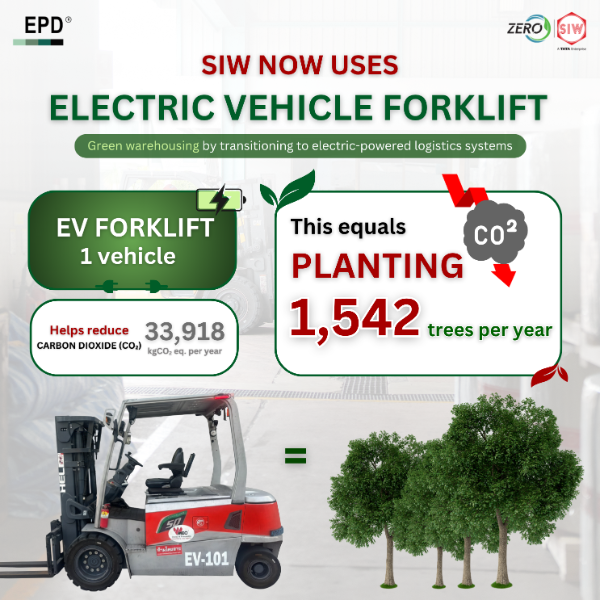

Driving business forward while caring for our planet 🌏♻️
SIW has begun integrating EV forklifts into operations, powering a greener warehouse and taking the first step toward an electric-driven logistics system.
🌳 Reduces CO₂ emissions by 33,918 kg per year
🌳 Equivalent to planting 1,542 trees annually
Lower environmental impact, reduced greenhouse gases, and a cleaner future, because every shift toward clean energy is a meaningful step toward sustainability.
📞 +66 61-178-0844
Line: @siwthailand
Website: https://www.siw.co.th/th
EVForklift GreenLogistics CarbonReduction Sustainability PCStrand PCWire
01-09-2022
SIW's adds another testing machine to improve the quality of the product before it reaches the end customer. Our lastest source is a Fatigue testing machine from Germany with- a testing capacity of 72 Pcs/Year- 500kN maximum load for diameters from 4 - 30 mm (*Available up size if change the grip)- frequency of120 Hz for PC Wire, PC StrandRebar for standard : LNEC E 452, ISO15630-3, prEN10138 etc.
16-12-2024
Construction Trends to Watch in 2025 Modern construction trends focus not only on developing advanced and robust structures but also on integrating clean and alternative energy sources to promote sustainability and reduce environmental impacts. These trends mark a significant step toward a sustainable future. Sustainable Construction The concept of sustainable construction is gaining significant traction in the construction industry as it aligns with ESG principles, emphasizing environmental impact reduction and efficient resource use. Examples include: Utilizing environmentally friendly construction materials. Implementing carbon-reduction techniques in construction processes. Managing waste effectively by sorting and recycling materials. This approach not only mitigates environmental impacts but also enhances resource efficiency, ensuring that modern structures meet current needs without depleting future resources. Digital Technology in Construction Digital technologies are transforming workflows in the construction industry, making them more efficient and sustainable. Examples include: IoT (Internet of Things): Real-time data collection devices for monitoring safety on construction sites. AI (Artificial Intelligence): Data analysis tools to optimize processes, such as safety risk assessments. BIM (Building Information Modeling): Enables precise structural designs and project management, minimizing material waste and construction errors. Other advanced technologies, such as drones for 3D site surveys and AR/VR for virtual design, reduce costs, improve safety, and facilitate accurate decision-making. Clean Energy The adoption of clean energy in construction is accelerating, particularly in large-scale projects aiming to minimize environmental impacts. Examples include: Solar Roofs: Lower energy costs and reduce greenhouse gas emissions. Wind Energy: Harnessing wind power to decrease reliance on fossil fuel-based electricity. Using clean energy not only lessens environmental impacts but also reduces energy costs, creating sustainable structures to meet future needs efficiently. Prefabrication Prefabricated construction is another key trend. This involves designing and manufacturing components such as pre-made walls, floor panels, columns, and roofs in controlled factory environments before assembling them on-site. Prefabrication speeds up construction, reduces site complexities, and ensures quality. SIW’s Commitment to Construction Trends SIW prioritizes key construction trends, such as employing AI to enhance operational efficiency, utilizing clean energy like solar power, and supporting sustainable construction through recycled materials from EAF (Electric Arc Furnace) technology. SIW has also achieved Green Industry Level 4 certification and is working towards its Net Zero carbon emission goal by 2050, advancing sustainability in all dimensions of the construction industry.
06-06-2025
How Is PC Wire Used Differently in Post-Tension vs Pre-Tension Systems?PC Wire (Prestressed Concrete Wire) is a crucial material used to strengthen prestressed concrete. It is commonly applied in two major systems: Pre-tension and Post-tension. While they use similar materials, the method of application and the advantages of each system are distinctly different. Let’s explore the differences🔹 Pre-Tension (Before Concrete Pouring)In this system, PC Wire is tensioned before the concrete is poured into the mold. Once the wire is stretched to the required force, concrete is poured over it. After the concrete sets and gains strength, the tension is released, and the wire tries to return to its original state, which compresses the concrete.Ideal for: Factory-made precast elements such as floor planks, hollow-core slabs, and concrete beamsAdvantages: Quality can be easily controlled in a factory settingLimitations: Requires large formwork and transportation of finished components to the site🔹Post-Tension (After Concrete Pouring)In this method, ducts or sheaths are placed inside the formwork before concrete pouring. Once the concrete is cured, PC Wire is threaded through the ducts, then tensioned and anchored at both ends. Finally, the ducts are filled with grout to protect the steel and bond it to the concrete.Ideal for: Large-scale projects such as high-rise buildings, bridges, and flat slab systemsAdvantages: More design flexibility, thinner structural elements, material efficiencyLimitations: Requires skilled labor and strict on-site quality control*Both systems have unique strengths and trade-offs. Choosing the right one depends on project type, budget, and engineering requirements.At SIW, we manufacture high-quality PC Wire for prestressed concrete applications in both pre-tension and post-tension systems. Our products are certified with TIS standards and trusted in over 70 countries worldwide.hashtag#SIW hashtag#PCwire hashtag#posttension hashtag#pretension
26-08-2025
At SIW, our people are the driving force behind our success.Every wire we manufacture and every solution we deliver reflect the dedication, expertise, and collaborative spirit of the SIW family.Together, we create connections that strengthen industries and shape a better world.Miss Naiyana ThamnaoChief Human Resources Officer
10-10-2022
คอนกรีตอัดแรงคืออะไร? หลายท่านอาจยังไม่คุ้นกับคำว่า คอนกรีตอัดแรง ว่าคืออะไร คอนกรีตอัดแรงคือส่วนผสมระหว่างคอนกรีตกำลังสูงและ (ลวดเหล็กกล้าเสริมคอนกรีตอัดแรง หรือ PC WIRE และ PC STRAND) การรวมกันนี้ทำให้เกิดเป็น คอนกรีตอัดแรงที่มีแข็งแรงมาก ในสมัยก่อน ก่อนที่จะมีคอนกรีตอัดแรง คานคอนกรีตธรรมดาถึงแม้จะความแข็งของคอนกรีตเพื่อรับน้ำหนักของมันเอง แล้วก็ตาม แต่เมื่อมีการโหลดน้ำหนักเพิ่ม เช่น การวางตู้ ชั้น หรือสิ่งของต่างๆ ตัวคอนกรีตเองมีการรับน้ำหนักเพิ่มก็จะมีรอยร้าวเป็นของคอนกรีตเกิดขึ้นมา เมื่อเวลาผ่านไปรอยร้าวเหล่านี้จะใหญ่ขึ้นและในที่สุดคอนกรีตมีการขยายตัวและทำให้คอนกรีตแตกหักได้ สาเหตุเหล่านี้เป็นต้นเหตุที่ทำให้คอนกรีตอัดแรงถูกคิดค้นขึ้น ประวัติย่อ: พ.ศ. 2429 P.H. Jackson วิศวกรชาวอเมริกัน ได้จดทะเบียนการก่อสร้างแผ่นพื้นคอนกรีตโดยการขันท่อนเหล็กเพื่อยึดพื้นคอนกรีตเข้าด้วยกัน ซึ่งวิธีการนี้ยังไม่ได้รับความนิยม เนื่องจากส่งผลให้ค่าใช้จ่ายในการก่อสร้างสูงขึ้น พ.ศ. 2431 C.E.W. Doehring วิศวกรชาวเยอรมัน ได้จดทะเบียนการก่อสร้างแผ่นพื้นคอนกรีตโดยการอัดแรงก่อนการรองรับน้ำหนักบรรทุกในประเทศเยอรมัน พ.ศ. 2451 CHARLES R. STEINER วิศวกรชาวอเมริกัน ได้ขอจดทะเบียนการก่อสร้างคอนกรีตเสริมเหล็ก โดยวิธีการขันน็อตเพื่อดึงเหล็กในขณะที่คอนกรีตกำลังเริ่มแห้งโดยวิธีการนี้ ก็ไม่ได้รับความนิยมอีกเช่นกัน พ.ศ. 2468 R.E. Dill ได้เสนอวิธีการใหม่คือ การใช้การเคลือบเหล็กด้วยสารที่ไม่ทำให้คอนกรีตเกาะกับเหล็ก ซึ่งเมื่อคอนกรีตหดตัวลงก็จะไม่ทำให้เหล็กนั้นหดตามลงไปด้วย ซึ่งวิธีการนี้ทำให้มีค่าใช้จ่ายในการใช้สารเคลือบเหล็กมากขึ้นไปอีก พ.ศ. 2471 E. Ereyssinet วิศวกรชาวฝรั่งเศส เริ่มใช้ลวดเหล็กซึ่งกำลังประลัยสูง 17,500 กก. ต่อตารางเซนติเมตร ในการผลิตคอนกรีตอัดแรง วิธีผลิตคอนกรีตอัดแรง: 1.Pre-Tension ดึงลวดอัดแรงก่อนการเทคอนกรีต เช่น เสาเข็ม คานสำเร็จรูป พื้นสำเร็จรูป และเสาไฟฟ้า เป็นต้น วิธีนี้เรียกว่าการอัดแรง เป็นวิธีก่อสร้างคอนกรีตอัดแรงที่ใช้กันแพร่หลายในปัจจุบัน คอนกรีตอัดแรงชนิดดึงลวดเหล็กก่อน มีหลักการง่ายๆว่าจะต้องมีแท่นซึ่งมีหัวแท่นที่แข็งแรงสองหัวอยู่ห่างกันพอสมควร ก. ใช้ลวดเหล็กแรงดึงสูง เช่น PC Wire และ PC Strand ร้อยผ่านหัวแท่น แล้วใช้แม่แรงหรือแจ็คดึงลวดเหล็กให้ยึดออกด้วยแรงประมาณ 70-80% ของกำลังสูงสุดของลวดเหล็กกล้า และใช้อุปกรณ์จับยึดลวดไว้ ข. เสร็จแล้วจึงเทคอนกรีต ลงในแบบให้หุ้มลวดเหล็กแรงดึงสูง หรือลวด PC Wire และ PC Strand ไว้เมื่อบ่มคอนกรีตจนมีกำลังความแข็งแรงประมาณ 70-80% ของกำลังความแข็งที่มีอายุ 28 วัน ค. แล้วจึงตัดลวดเหล็กแรงดึงสูง หรือลวด PC Wire และ PC Strand ให้หลุดจากแท่น ลวดเหล็กกล้าซึ่งถูกดึงทิ้งไว้ก็จะพยายามหดตัวมาสู่สภาพเดิม แต่คอนกรีตที่จับยึดยึดลวดไว้ตลอดความยาวก็จะต้านทานการหดตัวของลวดเหล็ก ทำให้คอนกรีตถูกลวดเหล็กอัดไว้ด้วยแรงอัด ชิ้นส่วนประเภทคอนกรีตอัดแรงชนิดดึงเหล็กก่อน ได้แก่ เสาเข็มคอนกรีตอัดแรง, เสาไฟฟ้าคอนกรีตอัดแรง, คานสะพาน, พื้นคอนกรีตสำเร็จรูป ซึ่งชิ้นส่วนของคอนกรีตเหล่านี้ จะต้องผลิตในโรงงานแล้วขนส่งไปใช้งานที่หน่วยงานก่อสร้าง การใช้คอนกรีตอัดแรงแทนที่คอนกรีตเสริมเหล็ก จะทำให้ชิ้นส่วนคอนกรีตเหล่านี้มีขนาดเล็กลง มีน้ำหนักน้อยลง ซึ่งจะช่วยให้การขนย้ายสะดวกมากขึ้น 2.Post-Tension Slab ดึงลวดอัดแรงหลังการเทคอนกรีต เช่น พื้นแผ่นเรียบไร้คาน (Flat Plate) คานสะพาน (Girder) เป็นต้น คอนกรีตอัดแรงชนิดดึงลวดเหล็กทีหลัง เป็นระบบที่พัฒนาต่อจากระบบแรกเพื่อแก้ปัญหาในกรณีที่ต้องการคอนกรีตอัดแรงชิ้นใหญ่ ๆ เราอาจไม่สามารถขนส่ง, ยกหรือเคลื่อนย้ายชิ้นส่วนนั้นได้ เช่น สะพานช่วงยาวๆ พื้นอาคารขนาดใหญ่ๆ กรณีเช่นนี้ เราจะต้องเตรียมวางท่อเหล็กหรือท่อพลาสติกซึ่งร้อยลวดเหล็กกล้ากำลังสูงไว้ภายใน คอนกรีตอัดแรงชนิดดึงลวดเหล็กทีหลัง จะเริ่มต้นโดยการหล่อคอนกรีตในไม้แบบที่ได้ติดตั้งไว้ โดยจะต้องมีการฝังท่อสำหรับร้อยเหล็กเสริม (hollow duct) ในตำแหน่งที่ออกแบบไว้ โดยปกติลวดเหล็กเสริมคอนกรีตอัดแรง (PC STRAND) จะถูกร้อยผ่านในท่อไว้ โดยยังไม่ดึงลวดเหล็กเสริมคอนกรีตอัดแรง (PC STRAND) ก่อนการเทคอนกรีต (บางครั้งสามารถร้อยลวดเหล็กผ่านท่อหลังจากคอนกรีตแข็งตัวแล้ว) หลังจากเทคอนกรีตแล้ว เมื่อคอนกรีตมีกำลังสูงถึงค่าที่ต้องการ จึงทำการดึงลวดเหล็กเสริมคอนกรีตอัดแรง (PC STRAND) การดึงลวดเหล็กอาจดึงเพียงข้างเดียว หรือดึงทั้งสองข้าง ขณะทำการดึงจะยึดปลายข้างหนึ่งไว้และดึงที่ปลายอีกข้างหนึ่ง (ในกรณีที่ออกแบบให้ดึงที่ปลายทั้งสองข้างจะทำการดึงทีละข้าง) โดยเมื่อดึงปลายข้างหนึ่งเสร็จแล้ว ก็จะสลับมาดึงปลายอีกข้างหนึ่ง เมื่อดึงแล้วจะทำการยึดปลายด้านให้ตึง โดยใช้อุปกรณ์ยึดปลาย ลวดเหล็กเสริมคอนกรีตอัดแรง (PC STRAND) จึงถูกดึงค้างไว้บนคอนกรีตทำให้เกิดแรงอัดในคอนกรีต เมื่ออัดแรงเสร็จแล้วขั้นตอนต่อไปคือการอัดน้ำปูน (grouting) เข้าไปในท่อที่ร้อยลวดเหล็กเสริมคอนกรีตอัดแรง (PC STRAND) น้ำปูนที่เข้าไปในท่อ ทำให้เกิดแรงยึดเหนี่ยวระหว่างเหล็กลวดเหล็กเสริมคอนกรีตอัดแรงกับคอนกรีต การควบคุมรอยแตกร้าว (crack) จึงทำได้ดีขึ้น และเพิ่มกำลังประลัย (ultimate strength) ให้สูงขึ้น น้ำปูนที่หุ้มลวดเหล็กเสริมคอนกรีตอัดแรง (PC STRAND) จะช่วยป้องกันการกัดกร่อนของลวดเหล็กเสริมคอนกรีตอัดแรง (PC STRAND) ได้อีกด้วย ตัวอย่างสินค้าที่ใช้ในงานคอนกรีตอัดแรง เช่น คานสะพาน เสาเข็ม คานสำเร็จรูป พื้นสำเร็จรูป เสาไฟฟ้า แผ่นพื้น หมอนรองรถไฟ เป็นต้น และทางสยามลวดเอง ก็มี PC WIRE มอก. 95-2540 และ PC STRAND มอก. 420-2540 ที่ใช้เป็นหัวใจหลักของการผลิตคอนกรีตอัดแรง ที่ได้รับการยอมรับ กว่า 50 ประเทศทั่วโลก รวมไปถึงบริการหลังการขายให้กับลูกค้าฟรี เช่น การเข้าไปสอบเทียบเครื่องดึงลวดให้ถึงหน้างานโดยไม่เสียค่าใช้จ่าย เพื่อลูกค้ามั่นใจในการใช้งานลวดอัดแรงของ สยามลวดเหล็กฯ PC Wire: https://www.siw.co.th/th/product-detail/pc-wire PC Strand: https://www.siw.co.th/th/product-detail/pc-strand
04-12-2024
Concrete Roads vs. Asphalt Roads: Which is Better? Selecting the right material for road construction is a critical decision that influences performance, longevity, and overall cost. Concrete and asphalt are the two primary options, each with distinct advantages and limitations. The key is to choose the material that best aligns with the intended application and environmental conditions. Asphalt Roads Asphalt roads are known for their flexibility and smooth surface, offering a more comfortable driving experience. However, they are vulnerable to weather conditions, such as extreme heat or heavy rain, which accelerates deterioration. Typically, asphalt roads have an average lifespan of 10–15 years, making them suitable for general use and smaller projects. Advantages • Lower initial construction costs. • Quick construction time; roads can be used immediately after the asphalt is laid. • Simple and fast maintenance using resurfacing techniques (re-paving the road surface). Disadvantages • Faster degradation compared to concrete, particularly in areas with high temperatures or frequent flooding. • High maintenance costs due to the need for frequent repairs. Concrete Roads Concrete roads consist of a mixture of cement, stone, sand, and reinforcement materials such as wire mesh, which enhance strength and durability. With an average lifespan of 20–40 years, concrete roads are ideal for large-scale projects and infrastructure that must withstand heavy loads, such as highways, bridges, and industrial zones. Advantages • Superior strength and durability, capable of handling heavy loads effectively. • Stable and smooth surface, with reduced risk of subsidence over time. • Long-term cost-efficiency due to lower maintenance requirements. Disadvantages • Higher initial construction costs. • Longer construction times, as the concrete must cure and gain strength before use. • Complex and costly maintenance processes for repairs. Deciding between concrete and asphalt roads requires careful consideration of factors such as usage, budget, and environmental conditions. By aligning these factors with the project’s objectives, you can ensure the road meets its intended purpose effectively. Siam Industrial Wire offers premium-quality wire mesh steel grids tailored for concrete road and flooring applications. These products are manufactured in compliance with Thai Industrial Standards (TIS) and certified by the Thai Industrial Standards Institute (TISI). The offerings include TIS 737 for standard applications and TIS 926 for cane and rubber-specific uses, ensuring superior quality and performance. Wire Mesh : https://www.siw.co.th/th/product-detail/wire-mesh
30-09-2024
🔍 In an era where quality standards are the top priority in production, SIW Testing Service Center is here to help your business confidently overcome any concerns about product quality.** We offer comprehensive testing services using the latest and most advanced testing technologies.✅ Precision : With internationally certified testing equipment and a team of professionals, you can trust that the results are accurate and reliable.✅ Trustworthiness : Our team of experts, with over 30 years of experience, is ready to provide top-quality testing services that meet global standards.💡 Why choose us?Because we understand that product quality is the key to your business success. SIW is dedicated to providing a full range of quality testing services to meet the needs of every business.If you're looking for a reliable partner for product testing, “SIW Testing Service Center”is the answer you've been searching for.
03-09-2025
SIW ranks 7th globally and is the only EPD-certified high-strength steel wire manufacturer in Southeast Asia. With a carbon emission value of only 2.19 kg CO₂ eq. per unit of PC StrandSIW supports green building, reduces carbon emissions, and saves energy —a step forward toward a more sustainable future.

We are relentless in our pursuit for excellence in product quality and innovation. We take pride in being able to anticipate your needs and provide tailored solutions for each of your requirements. We strive to exceed expectations.