
- Home
- About Us
-
SIW Product / Service
- SIW Product / Service
- Product
- Service
- Certification / Standard
- Sustainability
- News
- Work With Us
- Contact Us
-
Font Size
- S
- M
- L
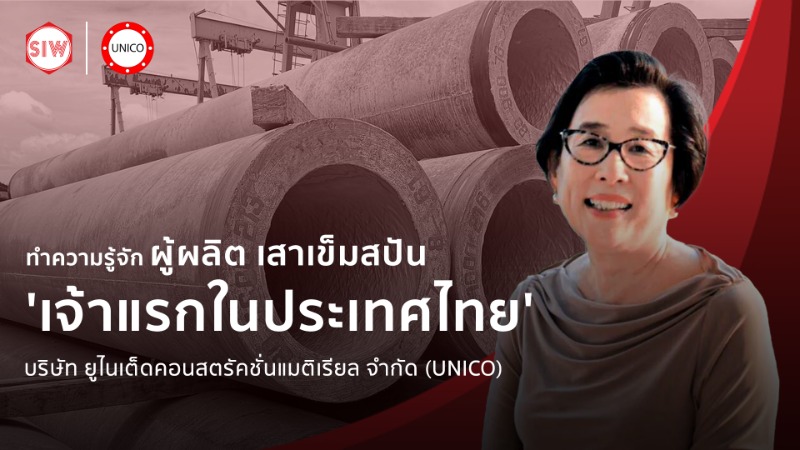

'ทำไมจึงต้องเลือกใช้สินค้าของสยามลวดฯ' มาดูวิสัยทัศน์ และแนวคิด ของคุณสรณีย์ ดีพันธุ์พงษ์, กรรมการผู้จัดการ บริษัท ยูไนเต็ดคอนสตรัคชั่นแมติเรียล จำกัด (UNICO) ผู้ผลิตเสาเข็มสปันเจ้าแรกในประเทศไทย เรามาฟังคำตอบ ความเชื่อมั่น ความไว้วางใจ จากลูกค้าคนสำคัญของเราพร้อมกันเลย
08-06-2022
เหล็กกล้าที่มีส่วนผสมของธาตุคาร์บอนเป็นธาตุหลัก แบ่ง เป็น 3 ประเภท ดังนี้ 1. เหล็กกล้าคาร์บอนต่ำ (Low Carbon Steel) เป็นเหล็กที่มีปริมาณคาร์บอนไม่เกิน 0.25% นอกจากคาร์บอนแล้ว ยังมีธาตุอื่นผสม- อยู่ด้วย เช่น แมงกานีส ซิลิคอน ฟอสฟอรัส และกำมะถัน แต่มีปริมาณน้อยเนื่องจาก หลงเหลือมาจากกระบวนการผลิต เหล็กประเภทนี้ถูกนำไปใช้ในอุตสาหกรรม และใน ชีวิตประจำวันไม่ต่ำกว่า 90% เนื่องจากขึ้นรูปง่าย เชื่อมง่าย และราคาไม่แพง โดยเฉพาะเหล็กแผ่นมีการนำมาใช้งานอย่างกว้างขวาง เช่น ตัวถังรถยนต์ ชิ้นส่วนยานยนต์ต่างๆ กระป๋องบรรจุอาหาร สังกะสีมุงหลังคา เครื่องใช้ในครัวเรือน และในสำนักงาน 2. เหล็กกล้าคาร์บอนปานกลาง (Medium Carbon Steel) เป็นเหล็กที่มีปริมาณคาร์บอน 0.2-0.5% มีความแข็งแรงและความเค้นแรงดึงมากกว่า เหล็กกล้าคาร์บอนต่ำ แต่จะมีความเหนียวน้อยกว่า สามารถนำไปชุบแข็งได้ เหมาะกับ งานทำชิ้นส่วนเครื่องจักรกล รางรถไฟ เฟือง ก้านสูบ ท่อเหล็ก ไขควง เป็นต้น 3. เหล็กกล้าคาร์บอนสูง (High Carbon Steel) เป็นเหล็กที่มีปริมาณคาร์บอน 0.5 - 1.5% มีความแข็งความแข็งแรงและความเค้น- แรงดึงสูง เมื่อชุบแข็งแล้วจะเปราะ เหมาะสำหรับงานที่ทนต่อการสึกหรอ ใช้ในการทำ เครื่องมือ สปริงแหนบ ลูกปืน เป็นต้น สินค้าที่ สยามลวดสามารถผลิตได้นั้น มีเหล็กกล้าคาร์บอนต่ำ หรือ (Low Carbon Steel) 1.ลวดเหล็กคาร์บอนต่ำ หรือที่เรียกว่า (Cold drawn) คือเหล็กที่ผลิตมาจากเหล็กลวดคาร์บอนต่ำ (Low Carbon Wire Rods) โดยผ่านกระบวนการนำเหล็กกล้าคาร์บอนต่ำมา รีดลดขนาดโดยการรีดเย็น จนเป็นผลิตภัณฑ์ลวดเหล็กกล้าคาร์บอนต่ำ มักใช้กับงานผูกเหล็ก ตะปู ตาข่าย และ ทำปลอกเสาเข็ม และสยามลวด นั้นสามารถผลิตได้ตั้งแต่ขนาด 6-12 mm. น้ำหนักต่อม้วนตั้งแต่ 250 kg - 2500 kg 2.เหล็กกล้าคาร์บอนสูง (High Carbon Steel) ที่เรียกว่า ลวดเหล็กกล้าดึงเย็นเสริมคอนกรีตอัดแรง หรือ PC WIRE , PC STRAND นั่นเอง มักใช้กับงานแผ่นพิ้น เสาเข็ม เสาไฟฟ้า หมอนรองรางรถไฟ และคานสะพาน เป็นต้น และสามารถผลิต PC WIRE ได้ตั้งแต่ขนาด 4-9 mm. และ PC STRAND ขนาด 9.3 , 9.5 , 12.7 และ 15.2 mm.
15-01-2025
Gen Y leadership shaping the future of organizations Naphitset Chainapong, Head of Section-Demand and Market Planning, who plays a key role in driving organizational success. “Growing up in the middle of Gen Y, I’ve witnessed the rapid evolution of technology, transitioning from the analog era to the fully digital age we live in today. This experience has shaped my mindset and serves as a fundamental basis for how I approach my work to this day. In my perspective, the transition to digital is no longer an option but a necessity. I clearly remember when I started working at SIW, we relied heavily on paper documents, and at times, the piles of paperwork were almost impossible to manage. But today, we’ve seen a significant difference. Many documents no longer need to be printed, and they have been fully integrated into a digital system. Additionally, we now use various software tools to analyze statistical data, helping us identify market demands and study consumer behavior quickly and more accurately. The result is more precise decision-making, allowing us to better meet our customers’ needs. Another equally important and trending topic is sustainability. In my perspective, it’s not just a fancy phrase but a global responsibility that every organization should prioritize. SIW has continuously developed sustainability strategies, such as controlling carbon emissions, initiating the "1 Rai Farm" project, and organizing CSR activities that foster collaboration with local communities. We’ve always believed that growth must come with a sense of responsibility toward both our communities and the world. As a Gen Y, I believe SIW benefits from the generation gap, gaining fresh ideas from younger team members and valuable experience from senior colleagues. An organization’s success doesn’t depend on one individual but comes from the synergy of all generations working together to innovate while preserving the past and continuing to develop sustainably. And finally, I believe that working in this rapidly changing era requires flexibility, open-mindedness, and collaboration from everyone. With our collective dedication, I am confident that SIW will overcome every challenge and continue to grow steadily in an ever-changing world.”
10-10-2022
คอนกรีตอัดแรงคืออะไร? หลายท่านอาจยังไม่คุ้นกับคำว่า คอนกรีตอัดแรง ว่าคืออะไร คอนกรีตอัดแรงคือส่วนผสมระหว่างคอนกรีตกำลังสูงและ (ลวดเหล็กกล้าเสริมคอนกรีตอัดแรง หรือ PC WIRE และ PC STRAND) การรวมกันนี้ทำให้เกิดเป็น คอนกรีตอัดแรงที่มีแข็งแรงมาก ในสมัยก่อน ก่อนที่จะมีคอนกรีตอัดแรง คานคอนกรีตธรรมดาถึงแม้จะความแข็งของคอนกรีตเพื่อรับน้ำหนักของมันเอง แล้วก็ตาม แต่เมื่อมีการโหลดน้ำหนักเพิ่ม เช่น การวางตู้ ชั้น หรือสิ่งของต่างๆ ตัวคอนกรีตเองมีการรับน้ำหนักเพิ่มก็จะมีรอยร้าวเป็นของคอนกรีตเกิดขึ้นมา เมื่อเวลาผ่านไปรอยร้าวเหล่านี้จะใหญ่ขึ้นและในที่สุดคอนกรีตมีการขยายตัวและทำให้คอนกรีตแตกหักได้ สาเหตุเหล่านี้เป็นต้นเหตุที่ทำให้คอนกรีตอัดแรงถูกคิดค้นขึ้น ประวัติย่อ: พ.ศ. 2429 P.H. Jackson วิศวกรชาวอเมริกัน ได้จดทะเบียนการก่อสร้างแผ่นพื้นคอนกรีตโดยการขันท่อนเหล็กเพื่อยึดพื้นคอนกรีตเข้าด้วยกัน ซึ่งวิธีการนี้ยังไม่ได้รับความนิยม เนื่องจากส่งผลให้ค่าใช้จ่ายในการก่อสร้างสูงขึ้น พ.ศ. 2431 C.E.W. Doehring วิศวกรชาวเยอรมัน ได้จดทะเบียนการก่อสร้างแผ่นพื้นคอนกรีตโดยการอัดแรงก่อนการรองรับน้ำหนักบรรทุกในประเทศเยอรมัน พ.ศ. 2451 CHARLES R. STEINER วิศวกรชาวอเมริกัน ได้ขอจดทะเบียนการก่อสร้างคอนกรีตเสริมเหล็ก โดยวิธีการขันน็อตเพื่อดึงเหล็กในขณะที่คอนกรีตกำลังเริ่มแห้งโดยวิธีการนี้ ก็ไม่ได้รับความนิยมอีกเช่นกัน พ.ศ. 2468 R.E. Dill ได้เสนอวิธีการใหม่คือ การใช้การเคลือบเหล็กด้วยสารที่ไม่ทำให้คอนกรีตเกาะกับเหล็ก ซึ่งเมื่อคอนกรีตหดตัวลงก็จะไม่ทำให้เหล็กนั้นหดตามลงไปด้วย ซึ่งวิธีการนี้ทำให้มีค่าใช้จ่ายในการใช้สารเคลือบเหล็กมากขึ้นไปอีก พ.ศ. 2471 E. Ereyssinet วิศวกรชาวฝรั่งเศส เริ่มใช้ลวดเหล็กซึ่งกำลังประลัยสูง 17,500 กก. ต่อตารางเซนติเมตร ในการผลิตคอนกรีตอัดแรง วิธีผลิตคอนกรีตอัดแรง: 1.Pre-Tension ดึงลวดอัดแรงก่อนการเทคอนกรีต เช่น เสาเข็ม คานสำเร็จรูป พื้นสำเร็จรูป และเสาไฟฟ้า เป็นต้น วิธีนี้เรียกว่าการอัดแรง เป็นวิธีก่อสร้างคอนกรีตอัดแรงที่ใช้กันแพร่หลายในปัจจุบัน คอนกรีตอัดแรงชนิดดึงลวดเหล็กก่อน มีหลักการง่ายๆว่าจะต้องมีแท่นซึ่งมีหัวแท่นที่แข็งแรงสองหัวอยู่ห่างกันพอสมควร ก. ใช้ลวดเหล็กแรงดึงสูง เช่น PC Wire และ PC Strand ร้อยผ่านหัวแท่น แล้วใช้แม่แรงหรือแจ็คดึงลวดเหล็กให้ยึดออกด้วยแรงประมาณ 70-80% ของกำลังสูงสุดของลวดเหล็กกล้า และใช้อุปกรณ์จับยึดลวดไว้ ข. เสร็จแล้วจึงเทคอนกรีต ลงในแบบให้หุ้มลวดเหล็กแรงดึงสูง หรือลวด PC Wire และ PC Strand ไว้เมื่อบ่มคอนกรีตจนมีกำลังความแข็งแรงประมาณ 70-80% ของกำลังความแข็งที่มีอายุ 28 วัน ค. แล้วจึงตัดลวดเหล็กแรงดึงสูง หรือลวด PC Wire และ PC Strand ให้หลุดจากแท่น ลวดเหล็กกล้าซึ่งถูกดึงทิ้งไว้ก็จะพยายามหดตัวมาสู่สภาพเดิม แต่คอนกรีตที่จับยึดยึดลวดไว้ตลอดความยาวก็จะต้านทานการหดตัวของลวดเหล็ก ทำให้คอนกรีตถูกลวดเหล็กอัดไว้ด้วยแรงอัด ชิ้นส่วนประเภทคอนกรีตอัดแรงชนิดดึงเหล็กก่อน ได้แก่ เสาเข็มคอนกรีตอัดแรง, เสาไฟฟ้าคอนกรีตอัดแรง, คานสะพาน, พื้นคอนกรีตสำเร็จรูป ซึ่งชิ้นส่วนของคอนกรีตเหล่านี้ จะต้องผลิตในโรงงานแล้วขนส่งไปใช้งานที่หน่วยงานก่อสร้าง การใช้คอนกรีตอัดแรงแทนที่คอนกรีตเสริมเหล็ก จะทำให้ชิ้นส่วนคอนกรีตเหล่านี้มีขนาดเล็กลง มีน้ำหนักน้อยลง ซึ่งจะช่วยให้การขนย้ายสะดวกมากขึ้น 2.Post-Tension Slab ดึงลวดอัดแรงหลังการเทคอนกรีต เช่น พื้นแผ่นเรียบไร้คาน (Flat Plate) คานสะพาน (Girder) เป็นต้น คอนกรีตอัดแรงชนิดดึงลวดเหล็กทีหลัง เป็นระบบที่พัฒนาต่อจากระบบแรกเพื่อแก้ปัญหาในกรณีที่ต้องการคอนกรีตอัดแรงชิ้นใหญ่ ๆ เราอาจไม่สามารถขนส่ง, ยกหรือเคลื่อนย้ายชิ้นส่วนนั้นได้ เช่น สะพานช่วงยาวๆ พื้นอาคารขนาดใหญ่ๆ กรณีเช่นนี้ เราจะต้องเตรียมวางท่อเหล็กหรือท่อพลาสติกซึ่งร้อยลวดเหล็กกล้ากำลังสูงไว้ภายใน คอนกรีตอัดแรงชนิดดึงลวดเหล็กทีหลัง จะเริ่มต้นโดยการหล่อคอนกรีตในไม้แบบที่ได้ติดตั้งไว้ โดยจะต้องมีการฝังท่อสำหรับร้อยเหล็กเสริม (hollow duct) ในตำแหน่งที่ออกแบบไว้ โดยปกติลวดเหล็กเสริมคอนกรีตอัดแรง (PC STRAND) จะถูกร้อยผ่านในท่อไว้ โดยยังไม่ดึงลวดเหล็กเสริมคอนกรีตอัดแรง (PC STRAND) ก่อนการเทคอนกรีต (บางครั้งสามารถร้อยลวดเหล็กผ่านท่อหลังจากคอนกรีตแข็งตัวแล้ว) หลังจากเทคอนกรีตแล้ว เมื่อคอนกรีตมีกำลังสูงถึงค่าที่ต้องการ จึงทำการดึงลวดเหล็กเสริมคอนกรีตอัดแรง (PC STRAND) การดึงลวดเหล็กอาจดึงเพียงข้างเดียว หรือดึงทั้งสองข้าง ขณะทำการดึงจะยึดปลายข้างหนึ่งไว้และดึงที่ปลายอีกข้างหนึ่ง (ในกรณีที่ออกแบบให้ดึงที่ปลายทั้งสองข้างจะทำการดึงทีละข้าง) โดยเมื่อดึงปลายข้างหนึ่งเสร็จแล้ว ก็จะสลับมาดึงปลายอีกข้างหนึ่ง เมื่อดึงแล้วจะทำการยึดปลายด้านให้ตึง โดยใช้อุปกรณ์ยึดปลาย ลวดเหล็กเสริมคอนกรีตอัดแรง (PC STRAND) จึงถูกดึงค้างไว้บนคอนกรีตทำให้เกิดแรงอัดในคอนกรีต เมื่ออัดแรงเสร็จแล้วขั้นตอนต่อไปคือการอัดน้ำปูน (grouting) เข้าไปในท่อที่ร้อยลวดเหล็กเสริมคอนกรีตอัดแรง (PC STRAND) น้ำปูนที่เข้าไปในท่อ ทำให้เกิดแรงยึดเหนี่ยวระหว่างเหล็กลวดเหล็กเสริมคอนกรีตอัดแรงกับคอนกรีต การควบคุมรอยแตกร้าว (crack) จึงทำได้ดีขึ้น และเพิ่มกำลังประลัย (ultimate strength) ให้สูงขึ้น น้ำปูนที่หุ้มลวดเหล็กเสริมคอนกรีตอัดแรง (PC STRAND) จะช่วยป้องกันการกัดกร่อนของลวดเหล็กเสริมคอนกรีตอัดแรง (PC STRAND) ได้อีกด้วย ตัวอย่างสินค้าที่ใช้ในงานคอนกรีตอัดแรง เช่น คานสะพาน เสาเข็ม คานสำเร็จรูป พื้นสำเร็จรูป เสาไฟฟ้า แผ่นพื้น หมอนรองรถไฟ เป็นต้น และทางสยามลวดเอง ก็มี PC WIRE มอก. 95-2540 และ PC STRAND มอก. 420-2540 ที่ใช้เป็นหัวใจหลักของการผลิตคอนกรีตอัดแรง ที่ได้รับการยอมรับ กว่า 50 ประเทศทั่วโลก รวมไปถึงบริการหลังการขายให้กับลูกค้าฟรี เช่น การเข้าไปสอบเทียบเครื่องดึงลวดให้ถึงหน้างานโดยไม่เสียค่าใช้จ่าย เพื่อลูกค้ามั่นใจในการใช้งานลวดอัดแรงของ สยามลวดเหล็กฯ PC Wire: https://www.siw.co.th/th/product-detail/pc-wire PC Strand: https://www.siw.co.th/th/product-detail/pc-strand
24-08-2026
🏗️ Choosing the right pile for the job is the first step toward a strong and reliable structure.✅ Prestressed Concrete Piles✅ Prestressed Spun Concrete Piles (Spun Piles)✅ Bored PilesEach type of pile is designed for different applications. Choosing the right one helps enhance structural strength while ensuring greater cost efficiency.hashtag#SIW hashtag#PrestressedConcrete hashtag#PCWire hashtag#PCStrand hashtag#Construction
01-05-2023
To achieve continuous development of the compressive strength of concrete, it is necessary to fully hydrate the cement, which is accomplished through curing. Curing is a method that involves controlling and preventing the evaporation of residual water from the reaction. The objective of curing concrete is twofold: 1) to attain maximum strength and durability in the resulting concrete. 2) to regulate temperature and minimize water evaporation to avoid cracking. The following are typical techniques for curing concrete: 1) Regularly spraying water to keep the concrete moist. 2) Applying a plastic cover after spraying water to prevent water from evaporating. 3) Using sacks soaked in water to cover the concrete. 4) Applying a chemical coating to the surface of the concrete. The Siam Industrial Wire (SIW) provides PC WIRE TIS. 95-2540 and PC STRAND TIS. 420-2540, which are the primary components of prestressed concrete production and are acknowledged in over 50 countries worldwide. SIW offers after-sales services to customers, including free calibration of wire pulling machines at their site to ensure that customers can use prestressed wire with confidence. PC Wire: https://www.siw.co.th/th/product-detail/pc-wire PC Strand: https://www.siw.co.th/th/product-detail/pc-strand
01-01-2026
🎉 Happy New Year 2026 🎉Wishing you a year filled with happiness, success, and new opportunities.SIW sincerely thanks our valued customers and business partners for your continued trust and support.May 2026 be a year of growth and shared success for us all.#HappyNewYear2026 #SIW
06-05-2025
Here is the English translation of your full FAQ content: Frequently Asked Questions (FAQ) 1. What products does SIW manufacture?Siam Industrial Wire Co., Ltd. (SIW) manufactures and distributes high-quality prestressed steel wire products for construction and industrial applications. The main products include: PC Strand: High-tensile 7-wire strand for prestressed concrete, used in bridges, building structures, and precast slabs. PC Wire: High-tensile single wire ideal for smaller prestressed concrete applications, such as piles and floor slabs. Wire Mesh: Ready-to-use welded steel mesh for general concrete reinforcement, such as roads and building floors. Cold Drawn Wire: Low-carbon steel wire used for concrete reinforcement and further processing, e.g., tying wire. Spring Wire: High-quality spring wire used in the automotive, furniture, and machinery industries. 2. What certifications do SIW products have?SIW products are certified to international quality standards in more than 70 countries worldwide, including: Thai Industrial Standard (TIS) ASTM (United States) JIS (Japan) ISO/IEC 17025 by NATA (Australia) for the internal testing center Read more: https://www.siw.co.th/en/iso-standard 3. Does SIW offer product testing services?Yes. SIW has a state-of-the-art testing center certified to ISO/IEC 17025 by NATA (Australia), equipped with: Fatigue Testing Machine: For testing material fatigue Relaxation Testing Machine: For stress relaxation testing of wires Supports testing to various international standards such as AS/NZS, ASTM, BS, ISO, JIS, and TIS. Read more: https://www.siw.co.th/en/news-detail/testing-services 4. How long has SIW been in the industry?SIW was established in 1994 and has over 30 years of experience in steel wire production. The company has grown steadily and formed joint ventures with leading companies such as Nichia Steel Works (Japan) and is part of the Tata Steel Group. 5. In which countries does SIW have customers?SIW serves customers and partners in many regions worldwide, including: Thailand Australia Taiwan The Philippines Indonesia And over 60 countries that trust in the quality of SIW’s products and services. Read more: https://www.siw.co.th/th/iso-standard 6. What are SIW’s sustainability and CSR policies?SIW emphasizes sustainability and continuously carries out social contribution projects, such as: Supporting people with disabilities and the elderly in communities SIW We Care: COVID-19 relief project Scholarships for well-behaved youth SIW English Camp: English language development Reforestation campaign: “Planting Trees, Planting Life for the King” Green Market: Supporting local entrepreneurs and communities Read more: https://www.siw.co.th/en/sustainability 7. How can I contact SIW?You can reach SIW through the following channels: Website: www.siw.co.th/en Head Office:Rasa Tower A, 14th Floor, 555 Phahonyothin Road, Chatuchak, Bangkok 10900, Thailand Factory:160 Moo 11, Nong Lalok Subdistrict, Ban Khai District, Rayong 21120, Thailand Phone: +66 2937 0060 Email: marketing@siw.co.th 8. What domestic projects has SIW participated in?SIW has been involved in major construction and infrastructure projects across Thailand, such as: Mass transit and railway systems Expressways and river-crossing bridges High-rise buildings and real estate developments Industrial plants and warehouses Read more: https://www.siw.co.th/en/project 9. What international projects has SIW worked on?SIW exports products for use in international projects, including: Bridge and port projects in Australia Commercial buildings in Taiwan Infrastructure in the Philippines and Indonesia Public transportation systems in the Middle East Read more: https://www.siw.co.th/en/project 10. What are the ordering channels?Customers can request quotations through: Filling out the form on the website: https://www.siw.co.th/en/contact-us Emailing: marketing@siw.co.th Calling the sales department directly 11. What if the wire has a problem? How do I make a claim?Customers can report product claims by: Filling out the form at: https://www.siw.co.th/en/contact-us Sending an email to: marketing@siw.co.th Contacting the sales or technical service department directly Checking the status online via SIW’s LINE Official Account: https://lin.ee/AJotXBNI 12. How can I check product status?You can track your product status by: Contacting the sales department directly Contacting the technical service team Checking status online via LINE Official Account: https://lin.ee/AJotXBNI
02-09-2025
We can’t control the weather, but we can plan ahead.Don’t let rain slow you down, use these simple techniques to keep your project on track, protect your materials, and avoid costly delays.1. Check the Weather DailyMonitor forecasts every morning to adjust your work schedule accordingly. 2. Drain Standing Water DailyNever leave water to pool at the site. It can weaken soil conditions and threaten the stability of the foundation and structure.3. Start with Indoor Work FirstPrioritize indoor or covered tasks first. This allows construction work to continue with minimal disruption, even during periods of rain.4. Protect Materials and EquipmentStore cement, steel, wood, and electrical tools in dry areas or cover them with waterproof tarps to avoid damage and reduce replacement costs.5. Set Up Temporary Drainage SystemsUse temporary drainage systems like trenches or PVC pipes to quickly redirect rainwater and keep the site safe and operational.💡 Small steps like these can save time, reduce costs, and maintain construction quality—even during the rainy season.Plan smart. Store safely. Prevent damage before it happens.#ConstructionTips #RainySeasonReady #SiteManagement #ProjectPlanning #BuildSmart

We are relentless in our pursuit for excellence in product quality and innovation. We take pride in being able to anticipate your needs and provide tailored solutions for each of your requirements. We strive to exceed expectations.